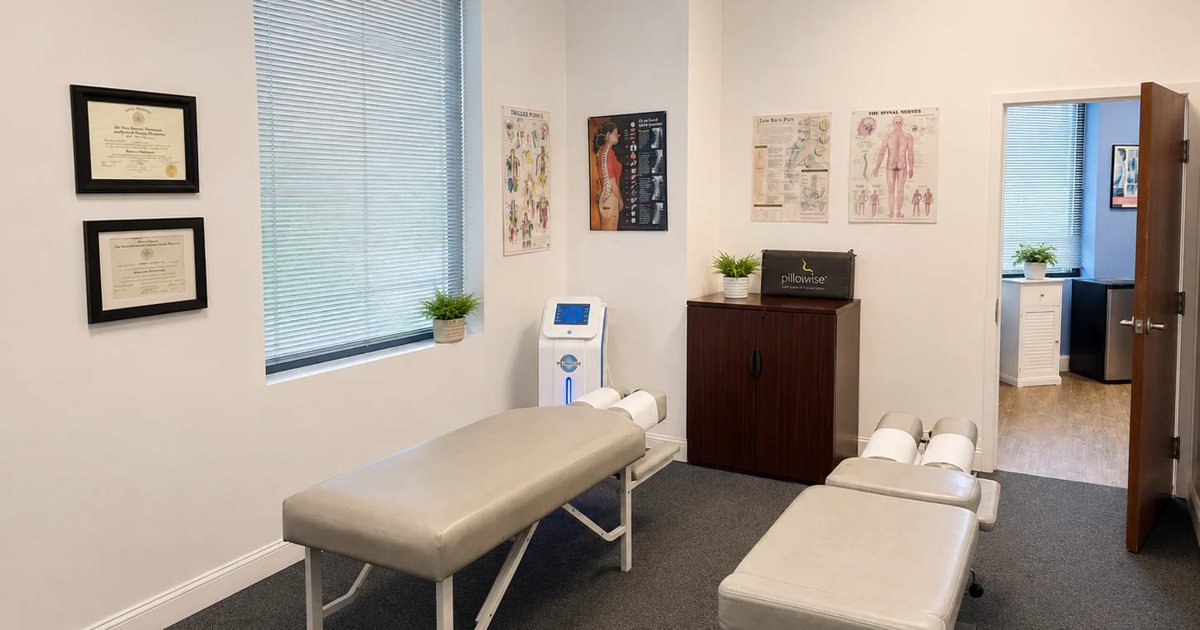
If you have been told about shock wave therapy by a friend in Edgewater, a neighbor in Riva, or a teammate at the gym in Annapolis, you may be wondering what actually happens when you walk in the door. Is it painful? How long does it take? Do you need to prepare? These are the questions we hear most at Maryland Chiropractic & Physical Medicine, so Dr. Derek Curran put together this plain-English walkthrough of a first PulseWave session.
Everything below describes what is typical at our office. Every patient is different, and your visit will be shaped by your history, your exam, and what you tell us about your goals.
What is PulseWave, in one minute?
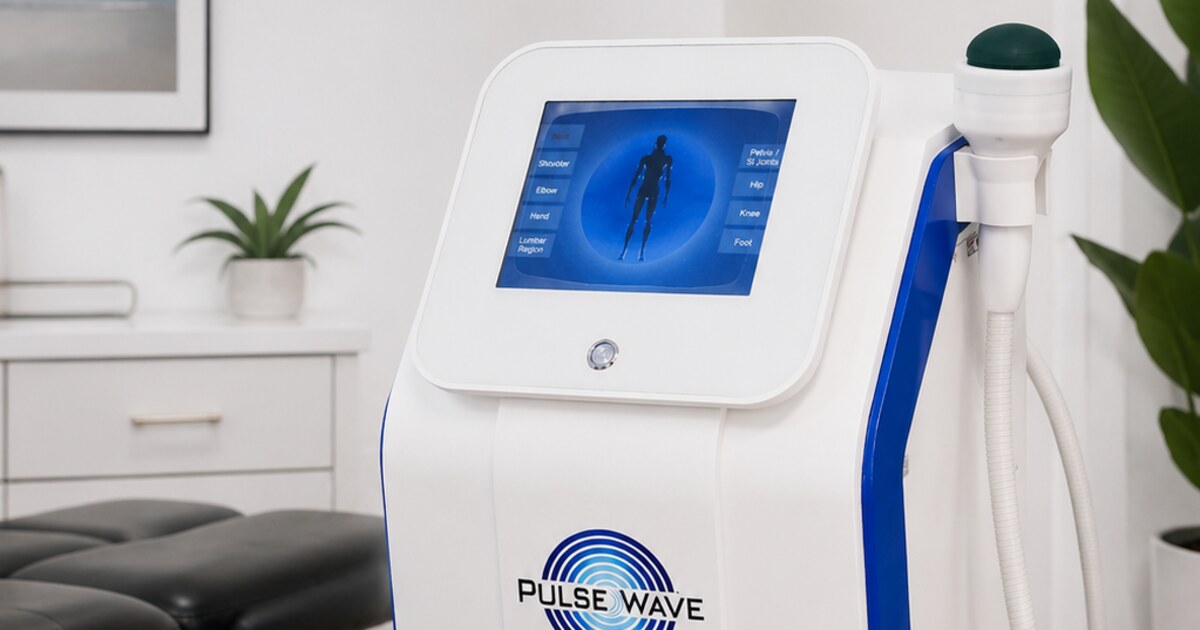
PulseWave is a form of shock wave therapy, also called acoustic wave therapy. A handheld applicator delivers focused acoustic waves into soft tissue in the area that is bothering you. The waves are designed to stimulate the body's natural healing response in tendons, muscles, and other soft tissues. If you want the full background, we cover it in What Is PulseWave Therapy?, and you can see the overview on our PulseWave page.
Shock wave therapy is often discussed for long-standing soft tissue complaints such as heel pain, tendon irritation around the elbow, shoulder, hip, and knee, and similar problems. Those are the areas we most often write about, including plantar fasciitis, tennis elbow, and Achilles tendon pain.
Before you arrive
There is very little to prepare. A few practical tips make the first visit smoother:
- Wear comfortable clothing that lets us reach the area easily. Shorts for a knee or hip, a tank or loose top for a shoulder, and easy-to-remove shoes and socks for heel or Achilles pain all work well.
- Bring a list of your medications and past injuries. Mention any surgeries, implants, or blood-thinning medication. These details matter for deciding whether shock wave therapy is appropriate for you.
- Write down what makes the pain better and worse. Morning stiffness, pain on stairs, or pain lying on one side are all useful clues.
- Bring any imaging or records you already have, such as an X-ray or MRI report from another provider.
Our office is at 137 Mitchell's Chance Road, Suite 100, Edgewater, MD 21037, and it is easy to reach from Route 214 whether you are coming from Mayo, Davidsonville, Crownsville, Arnold, or Severna Park. If you need to rearrange your schedule, our hours are Monday and Thursday 8:30 to 12:30 and 2:30 to 6:30, Tuesday 8:30 to 12 and 2 to 4, Wednesday 8:30 to 2, and Friday 8:30 to 2:30.
Step 1: A conversation and a hands-on exam
Your first visit starts with a conversation, not a machine. Dr. Curran will ask when the problem started, what you were doing when it began, what you have already tried, and how it affects your work, sleep, and activities.
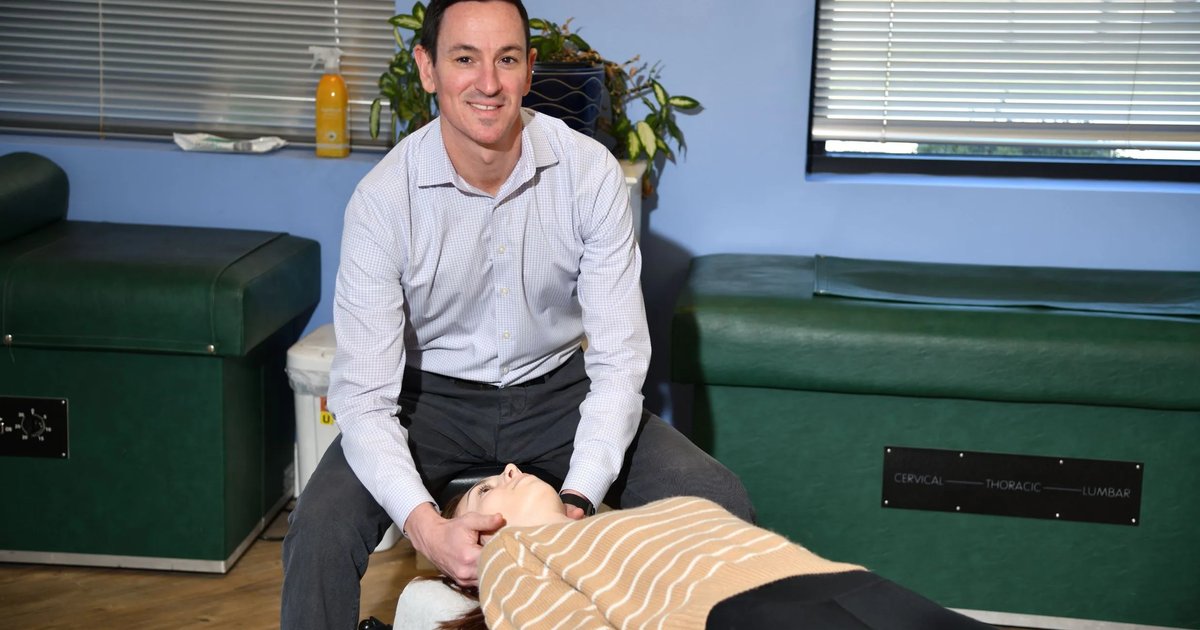
Then comes a hands-on evaluation. Depending on your complaint, that may include watching you stand and walk, checking joint motion and muscle strength, pressing on the sore area to find the most tender spots, and performing orthopedic tests. The goal is to understand where the discomfort is really coming from. Pain at the heel, for instance, can have more than one source, and pain on the outside of the hip is not always what it seems.
This step also helps us decide whether PulseWave is a reasonable fit. Shock wave therapy is not right for everyone. If your symptoms suggest something that needs a different kind of care or a referral, we will tell you so. Tendon irritation, for example, is something the National Library of Medicine's MedlinePlus describes as usually developing after repeated injury to an area such as the wrist or ankle, and a careful exam helps sort out what is going on. You can read their overview on tendinitis at MedlinePlus.
Step 2: Talking through the plan
If PulseWave looks appropriate, Dr. Curran will explain what he recommends and why. We like patients to understand the plan before any treatment starts. Expect us to cover:
- Which area or areas we would focus on
- What the treatment is designed to do
- How often visits are typically spaced
- What you may feel during and after a session
- Other parts of care that may fit alongside it, such as chiropractic adjustments, massage, or home exercises
Most PulseWave plans involve a short series of sessions rather than a single visit, often spaced about a week apart. Exactly how many visits make sense depends on you, and we adjust the plan as we see how you are responding. We would rather be honest about that than promise a number up front.
Step 3: The treatment itself
Here is the part most people are curious about. Once you are positioned comfortably, we apply a small amount of ultrasound gel to the skin over the target area. Dr. Curran then moves the PulseWave applicator over and around the area while the unit delivers focused acoustic waves.
How long does it take? The time the applicator is actually working is short, often just a few minutes per area. Your total appointment will be a bit longer to allow for the exam, setup, and a quick check-in afterward.
What does it feel like? Most people describe a rhythmic tapping or pulsing sensation. Because the applicator works on tender tissue, you may notice that some spots feel more sensitive than others, and that is useful information for us. The intensity can be adjusted. If it is more than you want, tell us right away and we will turn it down. You are in control of your comfort throughout the session.
Many patients are surprised by how uneventful it feels. There are no needles, no incisions, and no downtime built into a typical visit.
Step 4: Right after the session
Once the treatment is finished, we wipe off the gel and talk through how you felt. In general, patients walk out and return to their day. Some people notice the treated area feels a bit sore, achy, or warm for a day or so, similar to feeling a worked muscle. Mild redness or temporary tenderness can occur. If something feels unusual or is not settling down, call us.
We also give you simple guidance for the days after your session. Typical suggestions include:
- Staying gently active rather than resting completely
- Avoiding an all-out workout on the treated area for a short time if we recommend it
- Doing any stretches or strengthening exercises we have shown you
Ask us about any of these at your visit so the advice fits your situation.
What does the research say?
It is worth being straightforward here. Research on extracorporeal shock wave therapy is still developing, and results vary by condition and by how treatment is delivered. The UK's National Institute for Health and Care Excellence (NICE) reviewed shock wave therapy for long-standing plantar fasciitis and concluded that the evidence raised no major safety concerns, while also noting that the evidence on how well it works was inconsistent. NICE also advised that clinicians make sure patients understand that uncertainty. You can read that guidance directly: NICE interventional procedures guidance IPG311.
We think that is a fair and useful way to frame it. PulseWave is one option among several, it may support the body's natural healing response in some people, and it is not a guarantee. That is why we start with an exam, set realistic expectations, and check in as we go. Individual results may vary.
Who may want to think twice?
Shock wave therapy is not appropriate for every person or every body area. Be sure to tell us if you are pregnant, have a bleeding or clotting disorder, take blood thinners, have a pacemaker or other implanted device, have an active infection or skin problem over the area, or have a suspected fracture or tumor. We review these during your evaluation, and in some cases we may refer you to another provider first.
How PulseWave fits with the rest of our care
At Maryland Chiropractic & Physical Medicine, PulseWave is one of several tools. Dr. Curran also provides general chiropractic care, personal injury care, massage therapy, and cupping. For some patients, a plan that blends hands-on care with PulseWave makes sense; for others, PulseWave on its own is enough to discuss. You can browse our services and the conditions we commonly see, learn about Dr. Curran, or ask about payment options on our financing page.
Frequently asked questions
Is PulseWave painful?
Most people describe it as a tapping or pulsing feeling that can be tender over sore spots. The intensity can be adjusted, and you can ask us to dial it down at any time.
How long does a PulseWave session take?
Active treatment time is typically short, often a few minutes per area. Your full appointment is a little longer to allow for the exam, setup, and discussion.
Do I need a referral?
You can schedule directly with our office. If your exam suggests that you need other care, we will let you know.
How many sessions will I need?
Plans commonly involve a short series of visits, often about a week apart, but the right number depends on your condition and how you respond. We reassess along the way. Individual results may vary.
Can I drive myself home?
Yes. There is no sedation or anesthesia, so most patients drive themselves and carry on with their day.
Can I exercise afterward?
Light activity is generally fine. We will tell you whether to scale back intense activity on the treated area for a short time.
Does PulseWave replace chiropractic care?
No. It is a separate tool. Some patients use PulseWave alone, and others combine it with adjustments, massage, or home exercise. We will talk through the options at your visit.
Ready to learn more?
If you live or work in Edgewater, Annapolis, Severna Park, Davidsonville, Riva, Crownsville, Mayo, Arnold, or elsewhere in Anne Arundel County and want to see whether PulseWave makes sense for you, we would be glad to meet you. Call us at (443) 294-6873, stop by 137 Mitchell's Chance Road, Suite 100, Edgewater, MD 21037, or book your visit online. You can also contact us with questions first.
#EdgewaterMD #AnneArundelCounty
This article is for educational purposes only and is not medical advice. It is not intended to diagnose, treat, cure, or prevent any condition. Talk with a qualified health care provider about your own situation before starting any care. Individual results may vary.