
If you drive in Edgewater, MD, you know the slowdowns: the stop-and-go stretch near Route 2 and Mitchell's Chance Road, the evening backups heading toward Annapolis, and the school-run traffic that comes to a sudden halt. Those are exactly the conditions where a rear-end collision happens. One moment you are stopped at a light, and the next you feel a jolt from behind.
At Maryland Chiropractic & Physical Medicine, we hear the same thing from many Anne Arundel County drivers after a rear-end crash: "It was only a fender bender. I felt fine, so I drove home." Then, a day or two later, the neck gets stiff and the back starts to ache. This guide explains why that can happen, what symptoms are worth noticing, and how a chiropractic evaluation fits into the picture. It is educational information, not a diagnosis, and it does not replace emergency care.
Why Rear-End Collisions Are Hard on the Spine
In a rear-end impact, your car is pushed forward suddenly. Your torso moves with the seat, but your head lags behind for a fraction of a second and then snaps forward. The soft tissues of the neck, including muscles, ligaments, and the small facet joints between vertebrae, are asked to absorb that rapid back-and-forth motion. This is the mechanism people usually call whiplash.
The low back is involved too. Your pelvis and lower spine are pressed into the seat while your seat belt holds your upper body, which can strain the muscles and joints of the lumbar spine. Because the whole spine works as a chain, tension in one area often shows up as discomfort in another, such as the upper back or shoulders.
Low Speed Does Not Always Mean Low Impact
A common assumption is that no visible damage means no injury. The research is more nuanced. A published review of rear-end impacts in the Journal of Manipulative and Physiological Therapeutics examined whether occupants can be affected in low-speed collisions that leave little or no vehicle damage. The authors noted that injury does not reliably track with vehicle speed or visible damage, and that crash-test data suggested a velocity change of only a few miles per hour could produce occupant symptoms.
That does not mean every minor bump causes an injury. It means that how your car looks afterward is not a dependable way to judge how your body is doing. Your head position at impact, your seat and headrest setup, whether you saw the crash coming, and your own health history all play a role.
Symptoms That May Appear Hours or Days Later
Adrenaline can mask discomfort right after a crash. Symptoms that people commonly report in the following days include:
- Neck pain or stiffness, especially when turning your head
- Headaches that start at the base of the skull
- Pain or tightness between the shoulder blades or across the shoulders
- Low back pain or a feeling of tightness when sitting
- Tingling, numbness, or a heavy feeling in the arms or hands
- Dizziness, difficulty concentrating, or trouble sleeping
Some of these, such as significant weakness, loss of bladder or bowel control, severe headache, confusion, or numbness that is spreading, need emergency attention right away. Call 911 or go to the nearest emergency room first. A chiropractor is not a substitute for emergency care.
For more on why symptoms can lag behind the crash, see our article on delayed whiplash symptoms after a car accident.
What the Research Says About Recovery
Recovery from whiplash-type injuries varies widely. A review in the Journal of Chiropractic Medicine discussed a Canadian cohort of 2,627 people with whiplash after auto collisions, in which median recovery took about a month, although roughly 12 percent still reported symptoms at six months. The author concluded that persistent symptoms likely involve a tissue injury that can be influenced by other factors, with the cervical facet joints implicated in many longer-lasting cases.
The takeaway for drivers is practical: most people improve, but some do not, and getting a clear picture early gives you and your care team more options. Individual results may vary.
What to Do in the First 72 Hours
- Check for emergencies first. If you have any warning signs listed above, go to the emergency room.
- Document the scene. Photos, the other driver's information, and a police report matter later if you need them.
- Notify your insurance company according to your policy.
- Do not wait for pain to get worse. Schedule an evaluation even if you feel mostly fine.
- Move gently. Short walks and easy range of motion are usually better than complete bed rest, unless a provider tells you otherwise.
Our step-by-step checklist, what to do after a car accident in Edgewater, MD, walks through each of these in more detail.
What a Chiropractic Evaluation Involves
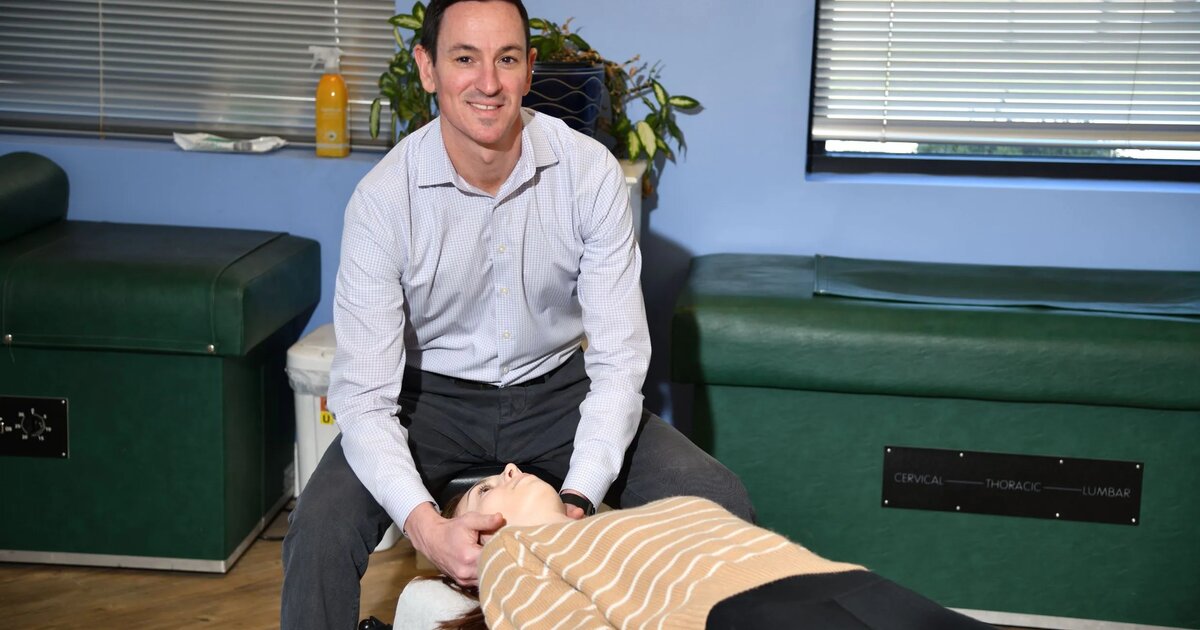
At Maryland Chiropractic & Physical Medicine, a post-collision visit starts with listening. Dr. Derek Curran will ask how the crash happened, where you feel symptoms, and what your health history looks like. Then comes a physical exam that may include posture assessment, range of motion testing, palpation of the spine and surrounding muscles, and orthopedic and neurological screening. If something suggests that imaging or a referral to another provider is appropriate, we will say so.
Depending on what the exam finds, a care plan may include gentle spinal adjustments, soft tissue work, massage therapy, cupping, and home guidance. Many soft tissue injuries do not show up on a standard x-ray, which is why a hands-on exam matters. You can read more in Soft Tissue Injuries from Car Accidents: Why X-Rays May Not Show the Full Picture. For patients with lingering tendon or soft tissue discomfort, our clinic also offers PulseWave therapy, which uses focused acoustic waves designed to support the body's natural healing response. Whether it is appropriate for you is something we decide after an exam.
You can browse everything we offer on our services page and the conditions we see.
Why Consistent Documentation Helps
If your collision involves an insurance claim or an attorney, accurate records matter. We document each visit so that your history, exam findings, and progress are clearly recorded. We do not give legal advice, but we are glad to work with your attorney's office when you authorize it. Gaps in care and missed visits can make a timeline harder to follow, so it helps to tell us early if scheduling is a challenge. Questions about coverage and payment are covered on our financing page.
Serving Edgewater and Anne Arundel County
We are located in Edgewater and see patients from across Anne Arundel County, including Annapolis, Severna Park, Davidsonville, Riva, Crownsville, Mayo, and Arnold. If you have been in a rear-end collision on Route 2, Route 214, or anywhere in between, we are a short drive away.
Maryland Chiropractic & Physical Medicine 137 Mitchell's Chance Road, Suite 100, Edgewater, MD 21037 Phone: (443) 294-6873
Hours: Monday and Thursday 8:30 a.m. to 12:30 p.m. and 2:30 to 6:30 p.m.; Tuesday 8:30 a.m. to 12 p.m. and 2 to 4 p.m.; Wednesday 8:30 a.m. to 2 p.m.; Friday 8:30 a.m. to 2:30 p.m.
Ready to be seen? Book online, learn about our practice, or contact us.
Frequently Asked Questions
Should I see a chiropractor even if I have no pain after a rear-end collision?
It is reasonable to get checked. Symptoms often appear hours or days later, and an early evaluation can establish a baseline. If you have any emergency warning signs, go to the ER first.
How soon after a rear-end collision should I schedule an appointment?
Sooner is generally better, ideally within the first few days. You do not need to wait for symptoms to become severe.
Can a low-speed collision really cause neck or back problems?
It can for some people. Research suggests injury does not reliably follow vehicle damage or speed, so how the car looks is not a good guide to how your body is doing.
Do I need a referral to see a chiropractor after a car accident in Maryland?
In many cases you can schedule directly. Read our guide: Do I Need a Referral to See a Chiropractor After a Car Accident in Maryland?
How long will care take?
It varies by person and by injury. Your plan is based on your exam findings and how you respond. See how long to continue chiropractic care after an auto accident. Individual results may vary.
Will chiropractic care hurt?
Most patients find evaluation and care comfortable. We adjust our approach to your tolerance and tell you what to expect before we begin.
This article is for educational purposes only and is not medical or legal advice. It is not intended to diagnose, treat, or prevent any condition. If you have a medical emergency, call 911. Individual results may vary. #EdgewaterMD #AnneArundelCounty