Nobody plans for the moment it happens. One second you're heading down Route 2 in Edgewater, MD, thinking about dinner. The next, you're sitting in a car that isn't moving, your heart is pounding, and you can't remember what you're supposed to do first.
I'm Dr. Derek Curran, and I see patients from across Anne Arundel County after collisions every week. The people who feel most in control afterward usually aren't the ones with the "easiest" accident. They're the ones who had a rough idea of the steps ahead of time. This guide walks through what to do after a car accident, in order, from the first minute at the scene to the first few days afterward. It is written for Edgewater, Annapolis, Severna Park, Davidsonville, Riva, Crownsville, Mayo, and Arnold drivers, but the basics apply anywhere in Maryland.
This article is general educational information, not legal or medical advice. Every accident and every person is different.
Step 1: Get safe and call 911
Your first job is to keep everyone as safe as possible.
- Check yourself and your passengers. If anyone is seriously hurt, unconscious, or complaining of severe neck or back pain, call 911 and avoid moving them unless there is an immediate danger such as fire.
- Move out of traffic if you can. If the cars are drivable and it's safe, pull to the shoulder or a nearby lot. On busy roads like Route 50, Route 2, or Central Avenue, staying in a live lane is risky.
- Turn on your hazard lights and, if it's safe, set out flares or reflective triangles.
- Call 911 if there are injuries, significant damage, a blocked roadway, or any doubt about what to do. Dispatchers can send police and medical help and will tell you what to do while you wait.
Step 2: Exchange information
Maryland's Motor Vehicle Administration (MVA) notes that you need to share your vehicle insurance information with any person involved in the accident and with any law enforcement officer present, and that you should contact your insurance agent as soon as possible. You can read their guidance directly on the Maryland MVA "If You're Involved in an Accident" page.
Practically, that means collecting:
- The other driver's name, phone number, and address
- Their insurance company and policy number
- License plate numbers and the make, model, and color of each vehicle
- The names and contact details of any witnesses
- The responding officer's name and the police report or incident number
Stay polite and factual. You don't need to debate who caused the crash at the roadside, and it's usually wise to avoid guessing about fault or about your injuries. "I'm not sure yet how I feel" is a perfectly honest answer.
Step 3: Document everything while it's fresh
Your phone is the best tool you have in the first ten minutes. Take more photos than you think you need:
- Damage to all vehicles, from several angles
- The full scene: lane markings, traffic signals, skid marks, debris
- Weather and road conditions
- Any visible marks, bruises, or cuts on you or your passengers
Then write down, or record a voice memo of, what happened while it's fresh: where you were headed, which direction each vehicle was traveling, what you felt at impact, and which way your head and body moved. Small details fade quickly, and they can matter later for insurance conversations and for your care team.
Step 4: Notice how you feel, then keep noticing
This is the step people skip, and it's the one I care about most.
Adrenaline is a powerful, short-lived pain filter. It's very common to climb out of a car after a fender-bender at a stoplight and feel "totally fine," then wake up the next morning or two days later with a stiff neck, a headache, or a sore low back. I covered this in more detail in our post on delayed whiplash symptoms after a car accident, but the short version is that feeling okay at the scene doesn't tell you much about what your body will feel in the following days.
Over the next several days, pay attention to:
- Neck pain or stiffness, especially when turning your head
- Headaches that start at the base of the skull
- Shoulder, upper back, or low back soreness
- Tingling, numbness, or weakness in the arms or legs
- Dizziness, trouble concentrating, or unusual fatigue
- Jaw soreness or pain when chewing
- Trouble sleeping because you can't get comfortable
Writing down what you notice, with dates, is a good habit. It helps you give a clear history to any provider you see.
When to go to the ER instead
Some symptoms are not a "wait and see" situation. Go to the emergency room or call 911 for any of the following:
- Loss of consciousness, even briefly
- Severe or worsening headache, repeated vomiting, or confusion
- Weakness, loss of function, or numbness that is spreading
- Loss of bladder or bowel control
- Chest pain or trouble breathing
- Severe neck pain after significant impact
A chiropractor is not an emergency department. If any of these red flags show up, emergency evaluation comes first.
Step 5: Notify your insurance company
As the MVA suggests, contact your insurance agent or company as soon as you reasonably can. When you call:
- Stick to facts: when, where, and what happened
- Provide the police report number if you have it
- Ask what your policy covers for medical care and how claims are handled
- Keep a log of who you spoke with, the date, and what was said
Insurance coverage in Maryland can be complicated, and policies vary. If you have questions about your specific coverage or your legal rights, your insurer, the Maryland Insurance Administration, or an attorney are the right people to ask. Our office can help with the health side and with clear records of your care.
Step 6: Get checked out, even if you feel mostly fine
After any collision with noticeable force, I recommend being evaluated within the first few days, even when symptoms seem minor. A good evaluation doesn't mean assuming something is wrong. It gives you a baseline and helps rule out anything that needs urgent medical attention.
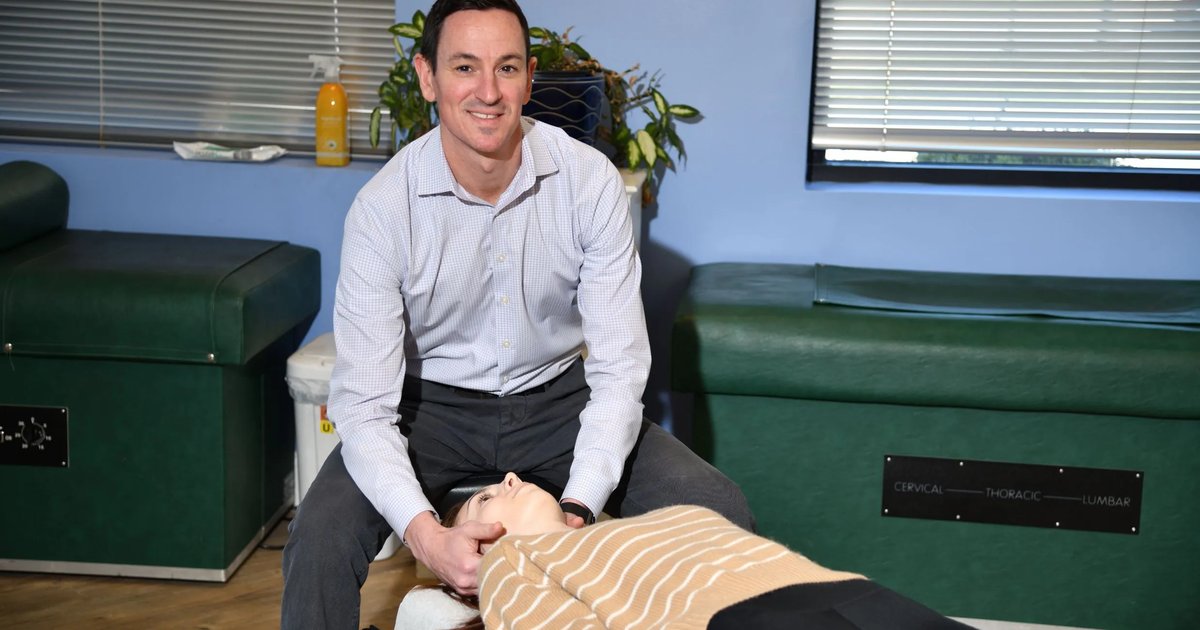
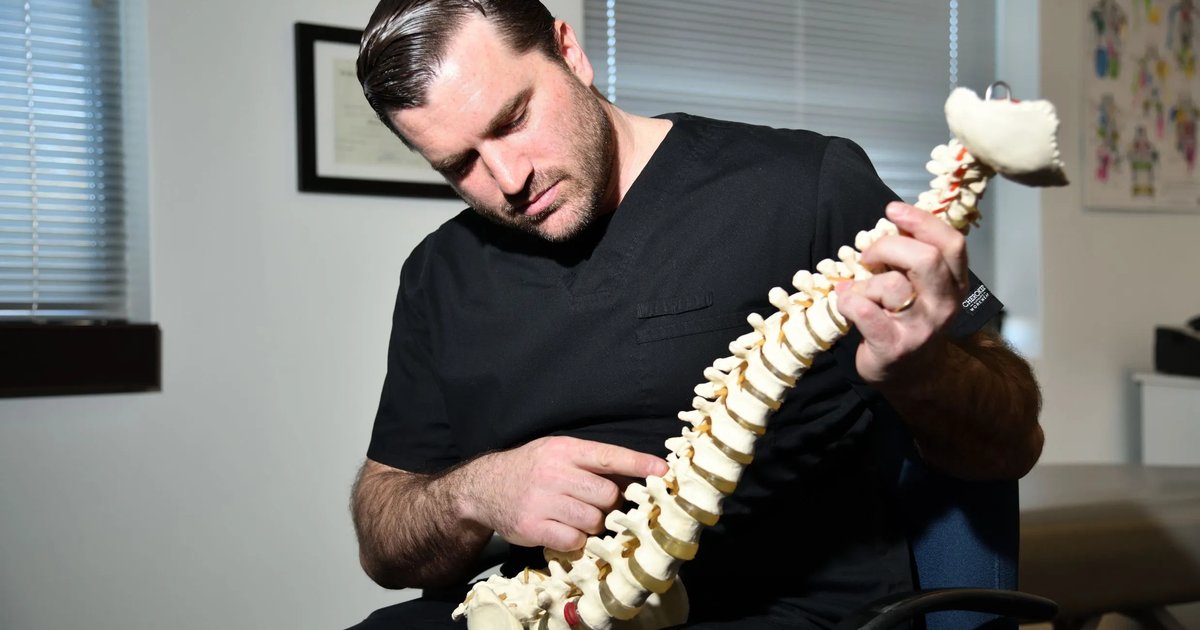
At Maryland Chiropractic & Physical Medicine, a post-accident visit typically includes:
- A detailed history. How the accident happened, what you felt, and how things have changed since.
- A physical exam. Range of motion, posture, palpation of muscles and joints, and neurological screening.
- Imaging referral when appropriate. If your history or exam suggests it, we'll refer you for imaging or to another provider.
- Clear documentation. We keep careful, objective records of your findings and progress.
- A plan you understand. If chiropractic care is appropriate, we explain what we recommend and why.
Depending on your presentation, care may include gentle chiropractic adjustments, soft tissue work, and massage therapy or cupping, and in some cases PulseWave therapy, which uses focused acoustic waves designed to support the body's natural healing response in targeted soft tissue areas. You can see everything we offer on our services page and learn about the kinds of problems we commonly see on our conditions page. Individual results may vary, and care is always tailored to the person in front of us.
Step 7: Follow through and keep records
Whatever path your recovery takes, a few habits make everything smoother:
- Keep all paperwork in one folder: the police report, photos, insurance letters, and visit summaries.
- Attend scheduled appointments. Consistency helps your care team track how you're doing and adjust the plan.
- Be specific about symptoms. "My neck is 6 out of 10 when I turn left" is more useful than "it hurts."
- Tell every provider the same story. Consistent, accurate history helps everyone involved.
- Ask about costs up front. If you have questions about payment, take a look at our financing options or call the office.
Common mistakes to avoid after a crash
- Skipping the evaluation because you "feel fine." Many people regret waiting once symptoms appear.
- Posting details on social media. Keep the specifics of the accident and your injuries off public posts.
- Guessing about fault. Let the facts and the professionals sort that out.
- Returning to heavy activity too soon. Gym sessions, heavy lifting, and long drives can aggravate irritated tissues.
- Ignoring warning signs. Anything on the ER list above needs prompt medical attention.
Frequently asked questions
Do I need to see a doctor if I wasn't hurt in the accident?
You don't need to see anyone for no reason, but after a collision it's reasonable to get checked even when symptoms are mild or absent. Symptoms can appear hours or days later, and an early evaluation gives you a baseline.
How soon after an accident should I be evaluated?
There's no single rule, but sooner is generally better. Many patients come in within the first few days. If you have severe symptoms or any red flags, go to the ER right away.
Do I need a referral to see a chiropractor after a car accident?
In most cases you can schedule directly with our office. Your own insurance plan may have its own requirements, so it's smart to check your policy, and we're happy to help you understand what we can on the care side.
What if the accident was minor?
Low-speed collisions can still place meaningful forces on the neck and back. We see patients after minor impacts regularly. Pay attention to how you feel over the next several days.
Can chiropractic care help after a car accident?
Chiropractic care is designed to support joint motion and function, and soft tissue therapies are designed to address muscle tension. What's appropriate for you depends on your examination. Individual results may vary.
What should I bring to my first visit?
Bring a photo ID, your insurance information, any police report or claim number, a list of medications, and a short written summary of your symptoms and when they started.
Questions after an accident? Call us
If you've been in a collision in Edgewater or anywhere in Anne Arundel County, our team is here to help you understand your options. Learn more about Dr. Curran and our team, contact the office, or request an appointment.
Maryland Chiropractic & Physical Medicine 137 Mitchell's Chance Road, Suite 100, Edgewater, MD 21037 Phone: (443) 294-6873 Hours: Mon/Thu 8:30–12:30 & 2:30–6:30 · Tue 8:30–12 & 2–4 · Wed 8:30–2 · Fri 8:30–2:30
Educational disclaimer: This article is for general educational purposes only and is not medical or legal advice, nor a substitute for professional evaluation. It does not diagnose, treat, or cure any condition. If you are experiencing a medical emergency, call 911. Individual results may vary. Consult a qualified healthcare provider about your specific situation.
#EdgewaterMD #AnneArundelCounty