If the inside of your elbow aches every time you carry groceries, turn a doorknob, or swing a golf club, you may be dealing with golfer's elbow. At our Edgewater, MD office, we meet plenty of people who have never touched a golf club and still have it: carpenters, mechanics, nurses, home cooks, parents lifting toddlers, and anyone who spends the day gripping a tool or a mouse.
This article explains what golfer's elbow is, why it can linger, and where PulseWave shock wave therapy may fit into a broader plan. We'll also be candid about what we can't promise.
What is golfer's elbow?
Golfer's elbow, medically called medial epicondylitis, is an overuse problem of the tendons that attach the forearm flexor muscles to the bony bump on the inside of the elbow. Those muscles help you grip and bend your wrist. When they're loaded repeatedly, especially with forceful gripping or wrist flexion, the tendon can become irritated and sore.
According to Hospital for Special Surgery, you don't have to golf to get it, and long-standing cases are often described as a tendon overload problem (tendinopathy) rather than simple inflammation. That distinction matters, because it's one reason rest and anti-inflammatory approaches alone don't always resolve it.
Common signs include:
- Pain or tenderness on the inner elbow that may travel into the forearm
- Pain when gripping, lifting, or flexing the wrist against resistance
- Stiffness in the elbow, especially in the morning
- Weakness in grip strength
- Occasional tingling in the ring and little fingers, which can point toward nerve involvement and deserves a proper exam
Golfer's elbow vs. tennis elbow
The two are cousins. Tennis elbow affects the outside of the elbow; golfer's elbow affects the inside. If you're not sure which you have, our article on shock wave therapy for tennis elbow covers the outer-elbow version. The approach to evaluation is similar, but the muscles involved are different, so the exam and rehab exercises differ.
Why golfer's elbow can drag on
Tendons have a limited blood supply compared with muscle, so they tend to recover more slowly. Add in the fact that most of us keep using our hands while the tendon is irritated, and it's easy to see how a few weeks of soreness becomes a few months.
Other contributors can include:
- Sudden increases in gripping or lifting, such as a weekend of yard work around Davidsonville or Riva
- Repetitive work tasks with tools, keyboards, or boat lines on the Chesapeake
- Grip size or equipment that doesn't fit your hand
- Neck, shoulder, or upper back tension that changes how the arm is used
- Limited wrist, forearm, or shoulder mobility
This is why a good evaluation looks beyond the elbow itself.
How PulseWave therapy works
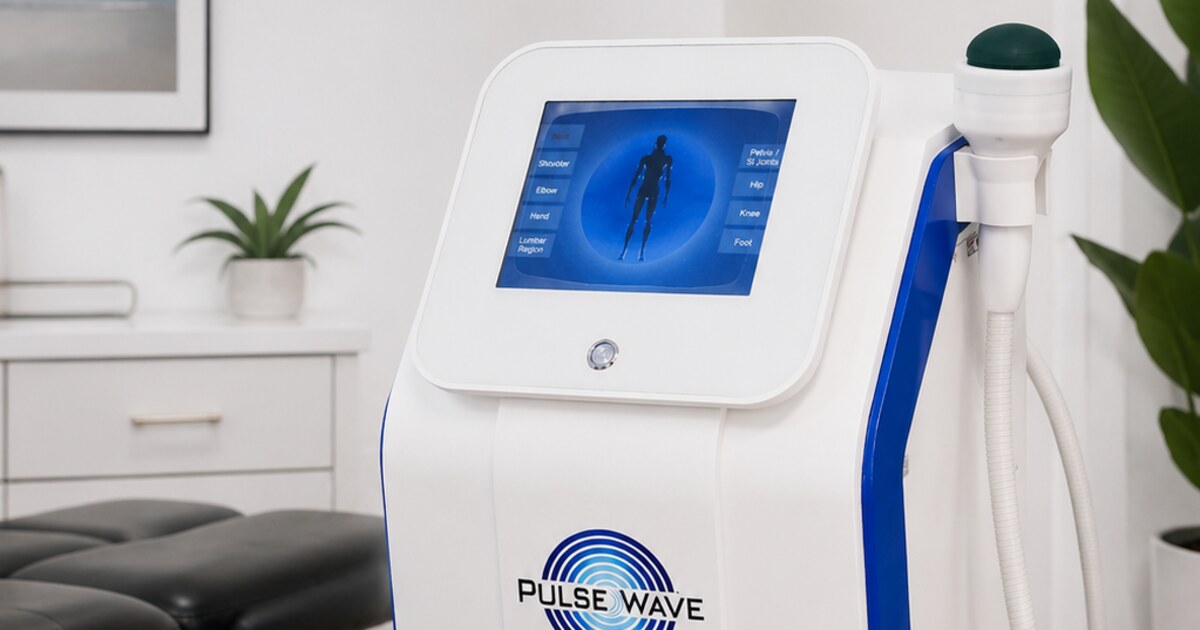
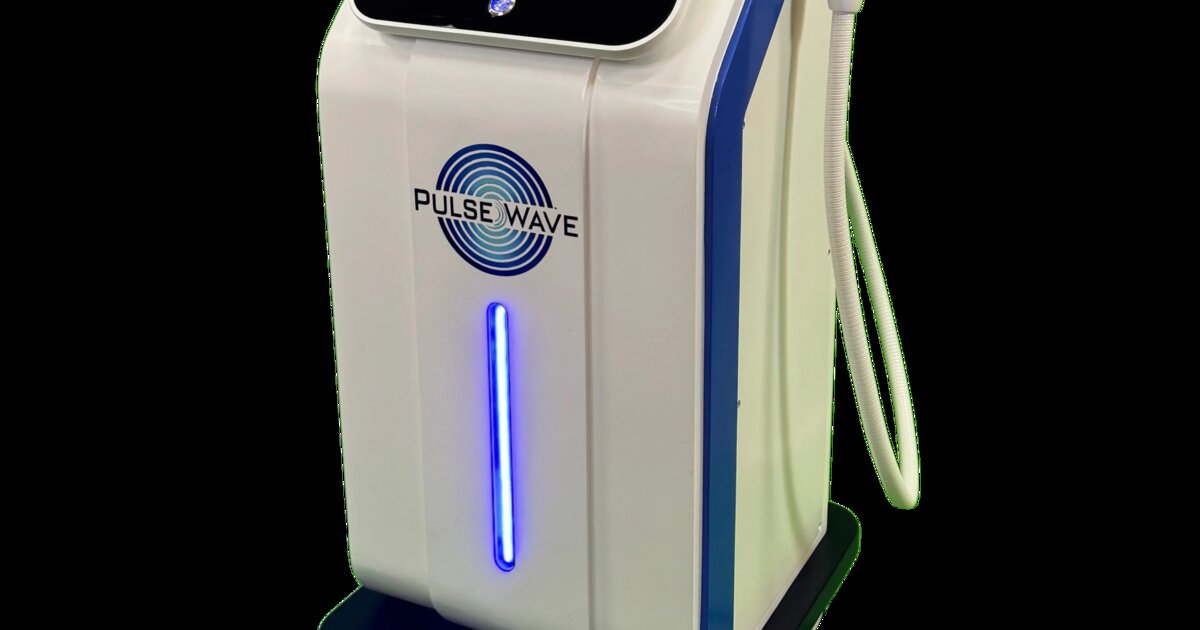
PulseWave uses focused acoustic waves delivered through a handheld applicator to the treatment area. These pressure waves are designed to stimulate tissue and may support the body's natural healing response in areas that have become stubborn. Patients often describe the sensation as a rhythmic tapping that can feel intense over tender spots but is generally brief.
PulseWave is one tool within a plan. It isn't a stand-alone fix, and it works best alongside activity changes and a progressive strengthening program. You can read the basics in our overview of what PulseWave therapy is and our walkthrough of your first PulseWave session.
What the research says
Shock wave therapy has been studied for a number of tendon conditions, including elbow tendinopathies. A systematic review of extracorporeal shockwave therapy for upper limb conditions is one place to see how researchers have looked at this. The honest takeaway is that research on tendon conditions is mixed, and much of it focuses on tennis elbow rather than golfer's elbow specifically. Studies vary in the devices, settings, and patient groups used, which makes firm conclusions difficult.
So we don't promise outcomes. Individual results may vary, and shock wave therapy isn't right for every person or every cause of elbow pain.
What a visit may look like
At Maryland Chiropractic & Physical Medicine, a golfer's elbow visit generally follows these steps:
- History and exam. We ask about your work, hobbies, and when the pain started, then test grip, wrist motion, and tenderness. We also screen the neck and shoulder, and look for signs that something other than the tendon is involved.
- Clear recommendations. If your presentation suggests PulseWave is a reasonable option, we explain why. If something else is a better fit, or a referral is appropriate, we'll say so.
- Treatment. A PulseWave session is typically short, and many people go right back to their day.
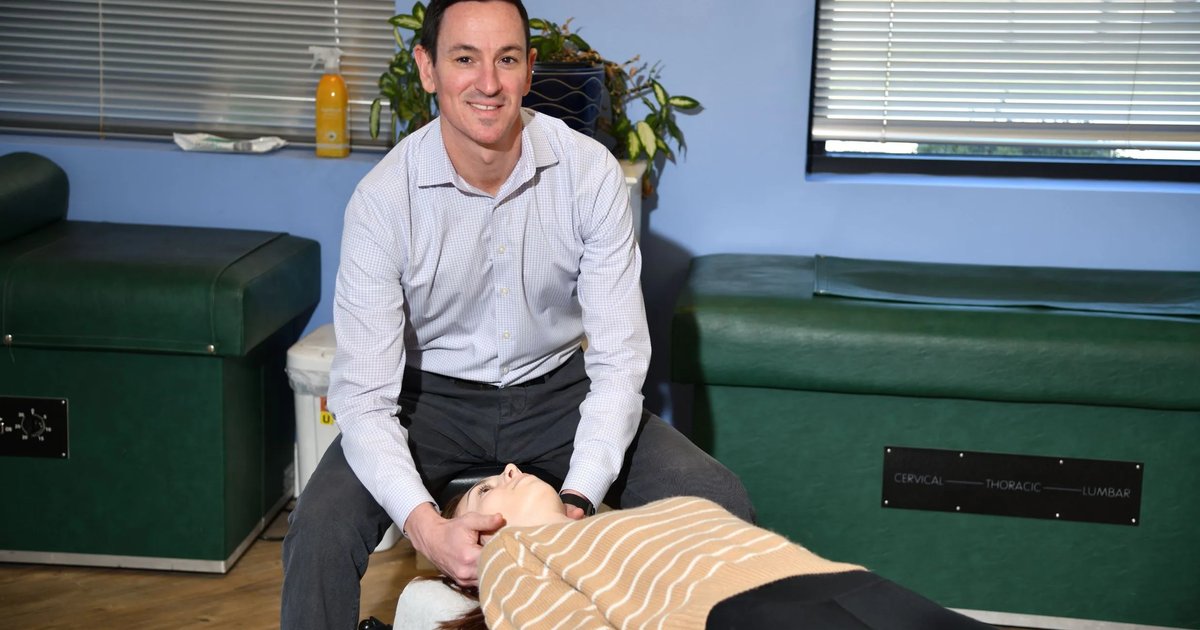
- Hands-on and rehab support. Depending on your needs, this may include soft tissue work, massage therapy, cupping, joint care, and home exercises. See our services and conditions we care for.
Who may be a reasonable candidate
PulseWave tends to be considered for people whose inner elbow pain has hung around for a while, often several weeks to months, despite sensible steps like activity changes and home care. It is generally not a first move for a brand-new, acutely painful elbow, where relative rest and load management usually come first.
We also take safety seriously. Shock wave therapy is not appropriate for everyone. Pregnancy, certain bleeding or clotting conditions, pacemakers, active infection, or a recent injection in the area are examples of things we ask about before recommending it. Be sure to share your full health history and any medications, including blood thinners, at your visit.
Questions worth asking any provider
Whether you come to us or see someone else, a few questions can help you make an informed decision:
- What do you think is causing my pain, and how did you reach that conclusion?
- Are there other possible causes, such as a pinched nerve in the neck or elbow, that we should rule out?
- What does the full plan include besides the shock wave sessions?
- How will we know if it is helping, and when would we change course?
- What can I do at work and at home to avoid reloading the tendon?
A good plan should be specific to you and should have a clear way to measure progress, such as grip comfort, lifting tolerance, or how well you sleep.
Self-care while you sort it out
Whatever route you choose, these basics tend to help:
- Reduce the activities that clearly aggravate the inner elbow, rather than stopping all movement
- Try a counterforce strap if your clinician agrees
- Build thicker grips on tools, or adjust your keyboard and mouse setup
- Warm up before gripping-heavy tasks
- Add gradual forearm strengthening once sharp pain settles
- Check your overall posture and shoulder mechanics
When to get checked sooner
Pain after a fall or blow, visible swelling or deformity, numbness that spreads, fever, or sudden loss of strength should be evaluated promptly. If you notice any of these, please see a medical provider rather than waiting.
Frequently asked questions
Is PulseWave painful?
Sensation varies. Many people feel a tapping or pressure that can be uncomfortable over sensitive spots. Intensity can usually be adjusted, so tell your clinician how it feels.
How many sessions might I need?
That depends on your history, your work demands, and how your body responds. We'll discuss a plan after your evaluation. Individual results may vary.
Can I keep working while being treated?
Often yes, with adjustments. We'll talk about which tasks to modify and how to stay active without overloading the tendon.
Does golfer's elbow go away by itself?
Some cases settle with time and load management. Others linger for months, which is when people tend to look at additional options.
Do I need a referral?
You can call us directly to schedule an evaluation. If your insurance plan has specific requirements, our team can help you sort that out. Information on payment options is on our financing page.
Getting evaluated in Edgewater
We welcome patients from across Anne Arundel County, including Annapolis, Severna Park, Davidsonville, Riva, Crownsville, Mayo, and Arnold. Learn more about Dr. Curran and our practice, explore the PulseWave program, or contact us.
Maryland Chiropractic & Physical Medicine 137 Mitchell's Chance Road, Suite 100, Edgewater, MD 21037 Phone: (443) 294-6873 Book a PulseWave consultation
#EdgewaterMD #AnneArundelCounty
This article is for educational purposes only and is not medical advice. Individual results may vary, and no outcome is guaranteed. PulseWave therapy is not appropriate for every patient or every cause of elbow pain. Please talk with a qualified healthcare provider about your specific condition before starting any new treatment.