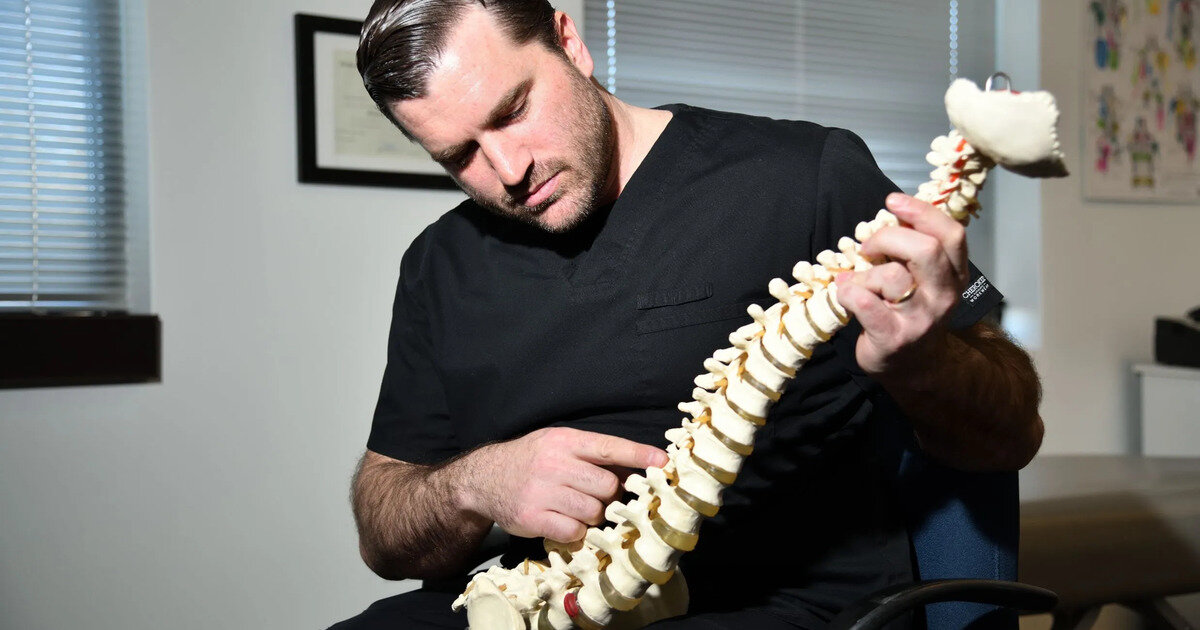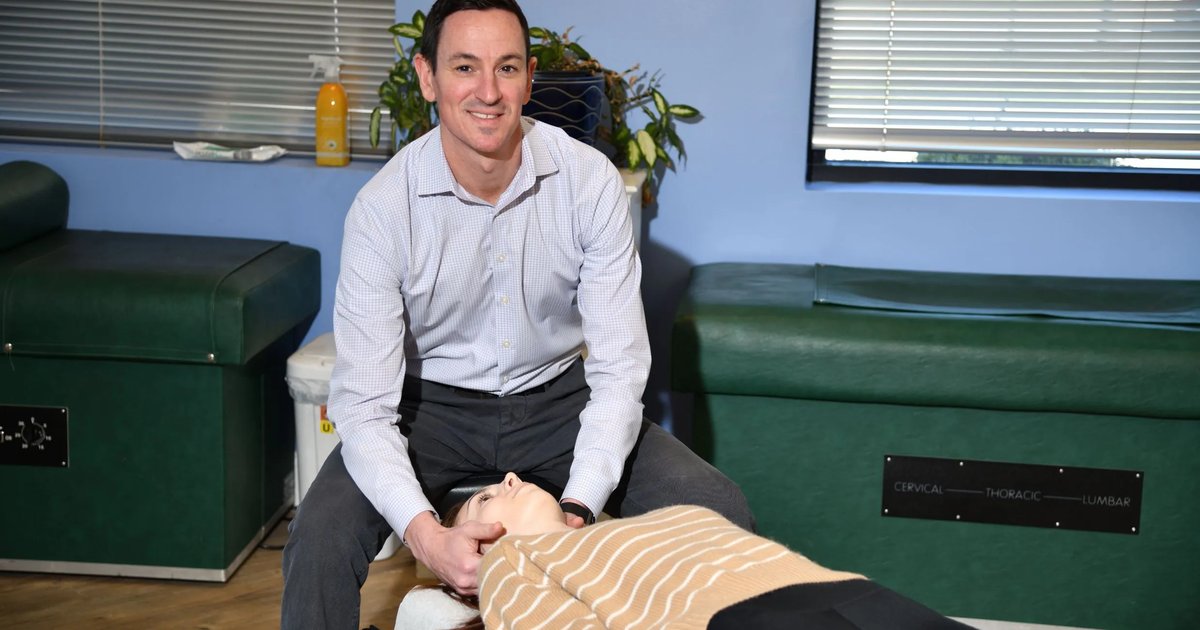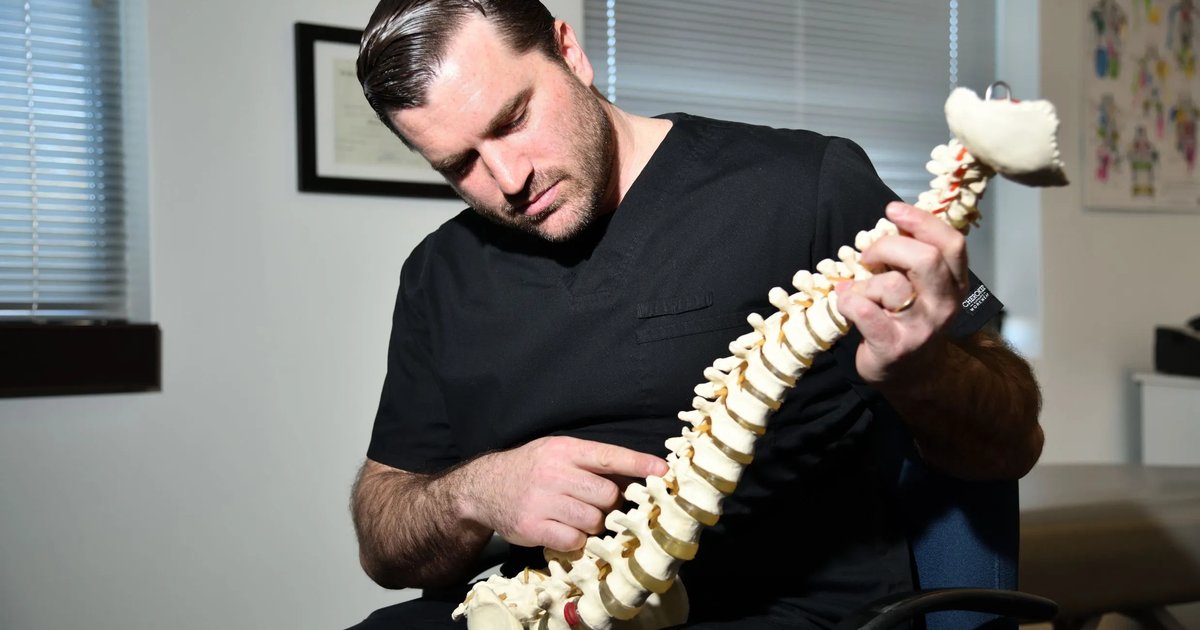
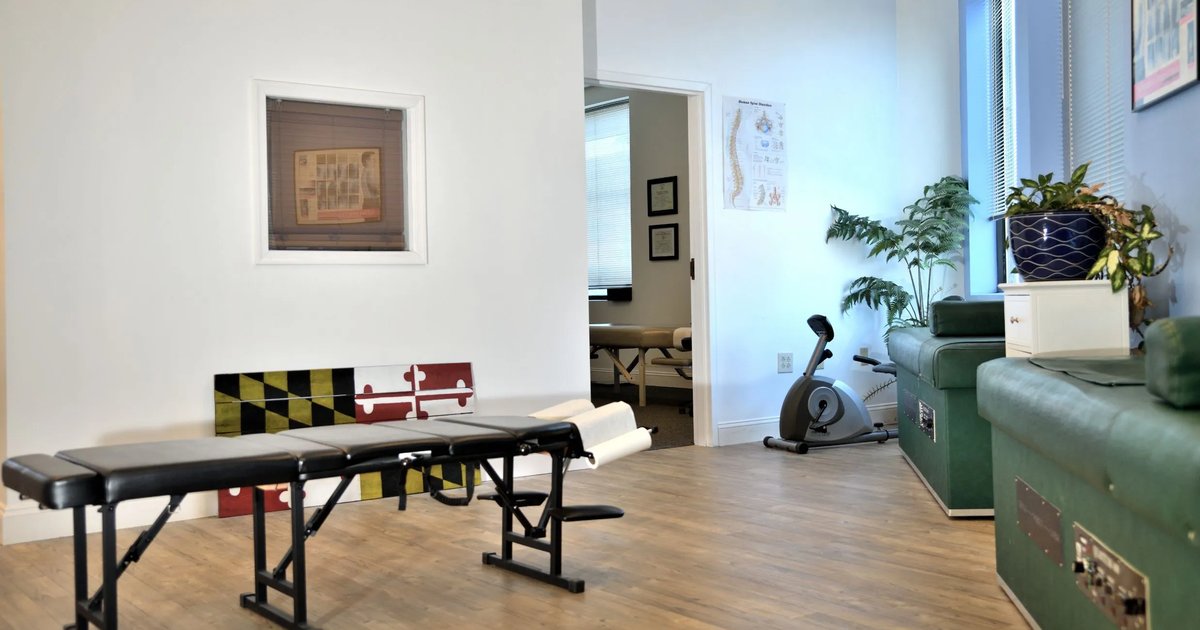
It's the question I hear most in our Edgewater, MD office, usually right after the first adjustment: "So... how often do I need to come back?"
It's a fair question, and the honest answer is the one nobody loves: it depends. There is no universal number. Anyone who tells you every patient needs the same schedule, whether that's three times a week for a year or once a month forever, is selling a package rather than answering your question.
What I can do is explain how visit frequency is normally decided, what the research does and doesn't say, and how to tell whether the plan you've been given actually makes sense. If you live in Edgewater, Davidsonville, Riva, Mayo, Crownsville, Arnold, Severna Park, or Annapolis, this is the same conversation we have with patients across Anne Arundel County every week.
Why there's no one-size-fits-all schedule
Two people can walk in with "low back pain" and need completely different plans. Frequency depends on things like:
- How long it's been going on. A stiff back that started three days ago is a different situation than one you've been managing for three years.
- What's driving it. Joint restriction, muscle guarding, a desk setup, an old injury, a recent car accident, and weekend yard work each point toward different care.
- How your body responds. Some people feel noticeably better after a few visits; others take longer. We pay attention to your response rather than a template.
- Your goals. Getting through a flare-up, getting back to golf or the gym, or simply keeping your neck from stiffening up during a stressful quarter at work are different targets.
- Your life. Work schedule, commute, kids, and budget all matter. A plan you can't actually keep isn't a good plan.
That's why we start with an evaluation rather than a number.
What the research says (and where it runs out)
Let's be careful here, because this is an area where a lot of marketing runs ahead of the evidence.
The National Center for Complementary and Integrative Health (NCCIH), part of the NIH, says spinal manipulation may lead to small improvements in both pain and function for low back pain. It notes moderate-quality evidence that, for acute low back pain, spinal manipulation produced pain relief similar to that of NSAIDs, and that for chronic low back pain it produced short-term results comparable to other recommended therapies such as exercise or medication. Those are modest, honest claims, and I think they're the right ones to start from.
The American College of Physicians' 2017 low back pain guideline, as summarized by ACP Internist, recommends that clinicians select nonpharmacologic treatment first, and it lists spinal manipulation, along with options such as heat, massage, and acupuncture, for acute and subacute low back pain. The same summary describes the evidence behind manipulation as low-quality, and for chronic low back pain it highlights options such as exercise and multidisciplinary rehabilitation.
Here's the part that matters for today's question: neither source sets a number of visits. Research on spinal manipulation tells us it can be a reasonable option for many people with back pain. It does not hand us a universal schedule. Anyone quoting you a precise visit count as if it were settled science is going further than the evidence does.
So frequency comes down to clinical judgment, your response, and an honest, ongoing conversation. Individual results may vary.
The typical phases of care
While no two plans are identical, most chiropractic care follows a general arc. Here's how we think about it.
Phase 1: Getting a handle on the problem
When something is new or flared up, visits tend to be closer together at the start, often more than once in the first couple of weeks. The goal here is to see how you respond, calm things down, and learn what's contributing. This is also when we do the evaluation, decide whether care is appropriate, and refer you elsewhere if it isn't.
Phase 2: Spacing visits out as you respond
As you improve, visits typically space out. Maybe weekly, then every other week. We reassess along the way, looking at how you move, how you feel, and what you're doing again that you couldn't before. This phase often includes home exercises and movement changes so you're not relying only on the table.
Phase 3: Wrapping up or moving to occasional visits
Many patients finish care once their goals are met and return only when something flares up. Others choose to come in at longer intervals, such as once a month or every few months, as part of how they look after their body. That's a personal choice, not a requirement, and it should always be your choice, made with clear information.
"Maintenance care": an honest take
You'll hear the term maintenance or wellness care, meaning visits when you're not in acute pain. Some patients value it, particularly people with physical jobs, athletes, or those with recurring issues who feel they do better with periodic check-ins.
My view as a chiropractor: it's a legitimate choice for some people, and it's also not something anyone has to do. The sources above address treating low back pain; they don't establish a required maintenance schedule. If a clinic tells you that you must come in indefinitely or your spine will "fall out of alignment," that's a red flag. A good plan has a purpose, a way to measure progress, and a point at which we pause and ask whether it's still working.
How to tell if your plan is a good one
Whether you see us or another provider, here are questions worth asking:
- What is the goal of this plan? It should be specific: sleeping through the night, sitting through a workday, lifting your grandchild.
- When will we reassess? A good plan has built-in checkpoints, not just a standing appointment.
- What happens if I'm not improving? You should hear about adjusting the approach or referring you, not just "come more often."
- What can I do between visits? Movement, stretches, and ergonomic changes should be part of the plan.
- Can I step down? You should always be able to space visits out or stop.
If you're not getting clear answers, that's worth a conversation.
Signs you may want to be seen sooner
Some situations call for prompt attention rather than waiting out a schedule:
- Pain after a car accident, even a minor one. Symptoms can be delayed, and early evaluation and documentation matter. (If this is your situation, our conditions page explains how we approach post-accident care.)
- Pain that's getting steadily worse, or that wakes you at night
- Numbness, tingling, or weakness spreading into an arm or leg
- A recurring problem that keeps coming back at the same spot
- Headaches that are new, frequent, or different from your usual pattern
When to skip the chiropractor and seek emergency care
Some symptoms are not chiropractic problems. Go to the emergency room or call 911 for sudden severe headache unlike any you've had, weakness or numbness on one side of the body, trouble speaking, chest pain or pressure, loss of bladder or bowel control, numbness in the groin or saddle area, or back pain after significant trauma or with fever. The NCCIH page also notes that serious complications from spinal manipulation are very rare, and that risk may be higher for people with underlying health problems, which is why a thorough evaluation comes first.
How we work with visit frequency at Maryland Chiropractic
At our practice, we try to keep it simple:
- We start with a thorough evaluation. History, exam, and a conversation about your goals. We'll tell you if we think care is appropriate or if you'd be better served elsewhere.
- We explain the plan in plain language. What we're doing, why, and roughly how long we expect to reassess.
- We reassess regularly. If it's working, we space visits out. If it isn't, we change course or refer you.
- We offer more than one tool. Depending on your needs, care may include chiropractic adjustments, massage therapy, and cupping, and for stubborn tendon or soft-tissue problems, PulseWave is designed to deliver focused acoustic waves that support the body's natural healing response. You can see everything we offer on our services page.
We keep hours that work around real life: Monday and Thursday 8:30–12:30 and 2:30–6:30, Tuesday 8:30–12 and 2–4, Wednesday 8:30–2, and Friday 8:30–2:30.
Frequently asked questions
Is it okay to see a chiropractor every week?
For many people it's reasonable for a period of time, especially at the start of a new or flared-up problem. What matters is that there's a reason and a plan to reassess, not that weekly visits go on automatically.
Do I have to keep coming back for the rest of my life?
No. You never have to. Many patients complete a course of care and return only if something comes up. Ongoing visits are an option, not an obligation.
Is it safe to be adjusted often?
Mild, temporary soreness, stiffness, or headache can follow an adjustment and typically passes within a day, according to NCCIH. Serious complications are very rare. Everyone's situation is different, so we screen for health history before care and adapt the approach to you.
How long does a visit take?
It varies with what we're doing that day. Your first visit includes the evaluation, so it's longer. Call us at (443) 294-6873 and we'll tell you what to expect for your situation.
Can I combine chiropractic care with massage or PulseWave?
Often, yes. Different tools suit different problems, and we'll talk through whether a combination makes sense for you. Individual results may vary.
Does insurance cover chiropractic visits?
Coverage depends on your plan, and we're happy to help you sort it out. Our financing page has the details, or call us and we'll talk through your options before your first visit.
Where are you located?
Maryland Chiropractic & Physical Medicine is at 137 Mitchell's Chance Road, Suite 100, Edgewater, MD 21037, just across the South River from Annapolis and an easy drive from Davidsonville, Riva, Mayo, Crownsville, Arnold, and Severna Park.
Getting started
If you've been wondering whether you should come in, how often, or whether it's worth it at all, the best next step is a conversation. You can learn more about our practice and Dr. Curran, look through our services, or contact us to schedule. If a stubborn tendon or soft-tissue issue is part of the picture, you can also book a PulseWave consultation here.
Call (443) 294-6873 or stop by 137 Mitchell's Chance Road, Suite 100, Edgewater, MD 21037.
#EdgewaterMD #AnneArundelCounty
This article is provided for general educational purposes only and does not constitute medical advice, diagnosis, or treatment. It is not a substitute for an evaluation by a qualified healthcare provider. Chiropractic care and the therapies described above are not represented as cures for any condition, and individual results may vary. If you experience sudden severe headache, weakness or numbness on one side of the body, trouble speaking, chest pain, loss of bladder or bowel control, or numbness in the groin or saddle area, seek emergency medical care immediately.